Colorado residents and visitors should prepare for a significant buildup of snowfall as a series of winter storms are expected to move through the state between Christmas and New Year’s Day. Meteorologists are forecasting accumulated totals ranging from roughly 18 to 30 inches over the next 10-to-12 day period, particularly across the mountains and higher terrain.
The developing pattern signals a sharp shift toward stormier conditions after a stretch of unseasonably mild and breezy weather. While earlier in December the state experienced patchy snow and mixed conditions — and Denver’s chances of a white Christmas looked slim — the outlook is now trending much more wintry as systems tap Pacific moisture and colder air masses.
What’s Behind the Snow
Forecasters point to a series of storm systems pivoting into Colorado over the coming days. These systems are expected to bring intervals of heavy snowfall, especially in the mountain regions and ski areas, where elevations and cooler temperatures will maximize accumulation. Lower-elevation valleys and the Front Range could also see notable snowfall, though totals there may be more variable depending on storm strength and track.
The shift toward this stormier pattern follows weeks of unusual weather behavior, including dry and warm early winter conditions that kept snowpack below average in many areas earlier in December. An influx of moisture, likely driven by stronger storm dynamics in the Pacific and northern jet stream influences, is now pushing more widespread precipitation into the region.
Impacts and Precautions
With significant snow expected, travel disruptions are possible, particularly on mountain passes and major highways. Motorists should anticipate winter driving conditions — including reduced visibility, slick roads, and drifting snow — and consider chains or winter tires where required.
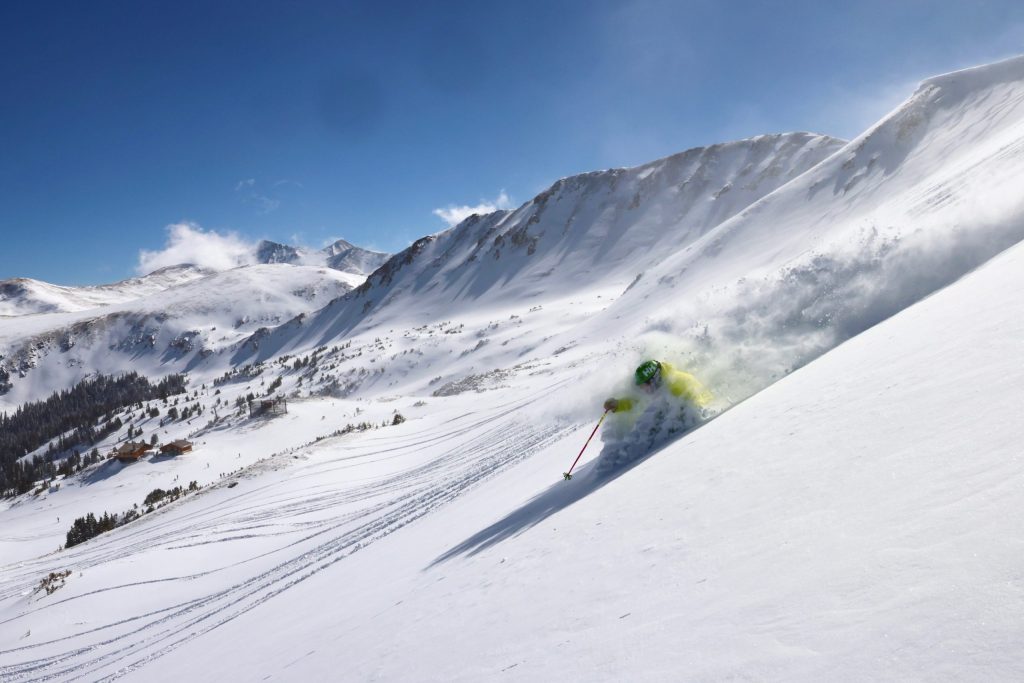
Ski resorts are also likely to benefit from the additional snowfall, with deeper base depths improving conditions for winter recreation and potentially extending peak season operations.
Local emergency and transportation authorities typically advise residents to stay updated with the latest forecasts, maintain emergency kits in vehicles, and allow extra travel time during heavy snow periods.